0.0 / 5
How satisfied were you with the behaviour and cooperation of the staff?
A Panchayat is a body of elected representatives of the people to administer the affairs of the Panchayat Raj institutions. In the case of a Gram Panchayat, it is the main body that implements the decisions of the Gram Sabha and carries out the day-to-day administration. The main components of the Panchayat are: President: He is the head of the Panchayat. He presides over the meetings and supervises the overall activities of the Panchayat. Vice President: Assumes the duties of the President in his absence. Ward Members: Representatives elected from each ward of the Panchayat. Standing Committees: These are sub-committees formed for matters such as finance, development, welfare, health, education, etc. to facilitate decision-making.
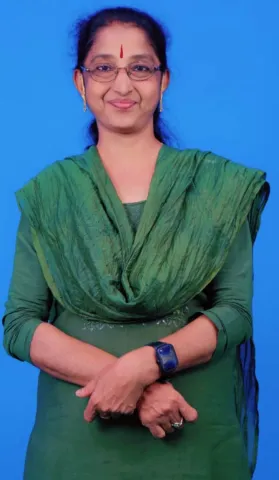
President
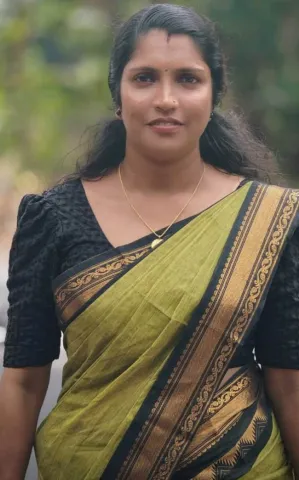
Vice President & Chairperson Standing Committee for finance
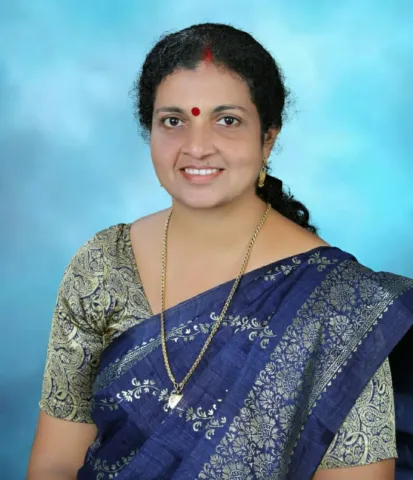
Chairperson, Standing Committee for development
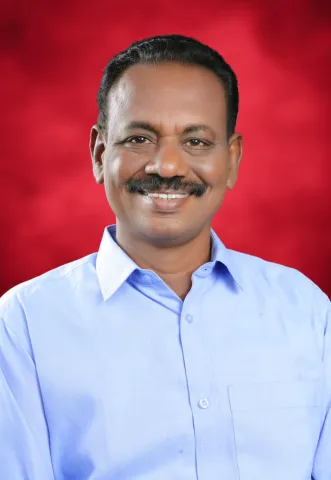
Chairperson,Standing Committee for Welfare
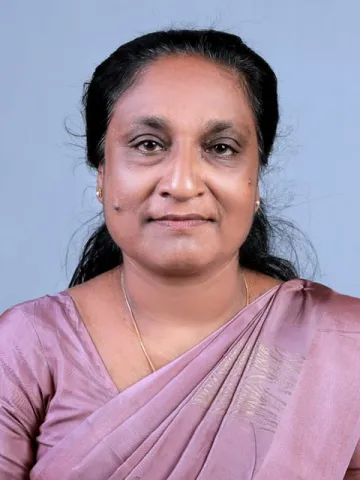
Chairperson,Standing Committee for Health and Education
Secretary, Grama Panchayat

Chathannur Grama Panchayat was established in 1953 in Ithikkara Block, Meenad Village, Kollam Taluk, Kollam District. It currently has 19 wards. It has an area of 18.568 sq. km. According to the 2011 census, the total population is 28585. Out of which 13239 are males and 15057 are females. The Panchayat has a population density of 1643/sq. km. and has achieved 98.62% literacy rate. Chathannur Grama Panchayat is bounded by Ithikkara River to the north, Kalluvathukkal Grama Panchayat to the east, Chirakkara Grama Panchayat to the south and Ithikkara River to the west. Latitude: 8o49’ 30” N – 8o 52’ 30” NLongitude: 76o40’ 30” E – 76o 43’ 30”

Download Now


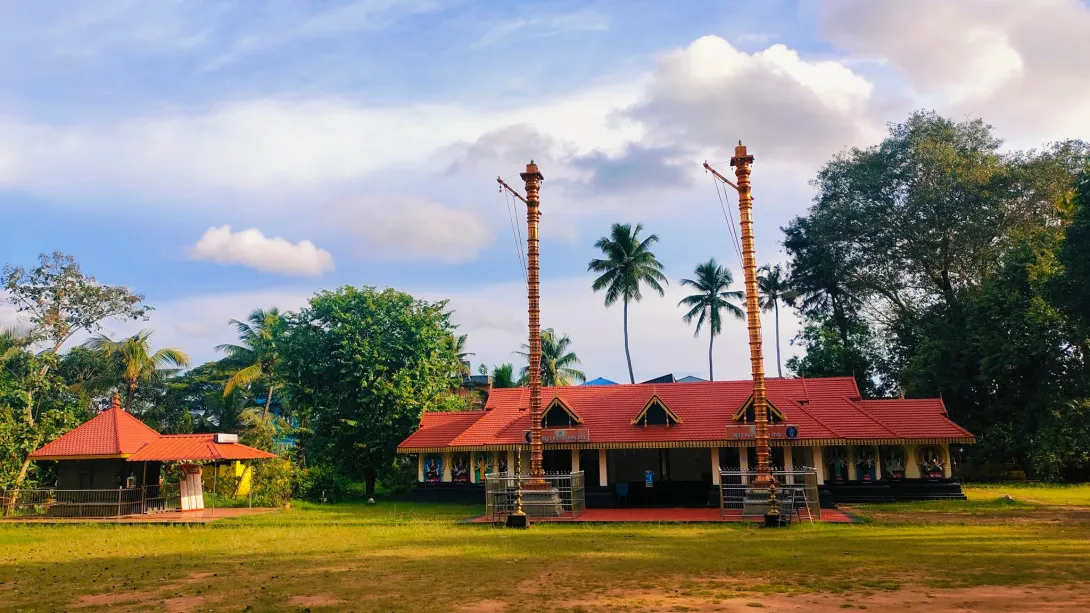
Chathannur is a historically rich region whose name is believed to have multiple origins. One view links it to the Sree Bhoothnath Temple, suggesting it evolved from “Shastavinte Ur,” the land of the deity Shasta. Another belief associates it with a Dravidian ruler named Chathan or with the term Chathran (student), indicating it may have been a center of learning, as noted by historian Ilamkulam Kunjan Pillai. The area holds historical importance through inscriptions like the Chathannur Sasanam at Chennamathu Temple and heritage sites such as the St. George Orthodox Church with its notable murals. Once an active trading center connected to places like Nedungolam, Chathannur later witnessed social progress influenced by reformers like Ayyankali and Sree Narayana Guru, and played a role in movements against...
Read More